Lake Havasu Arizona
Reviewed and updated by AZ Leisure Staff Writers on .
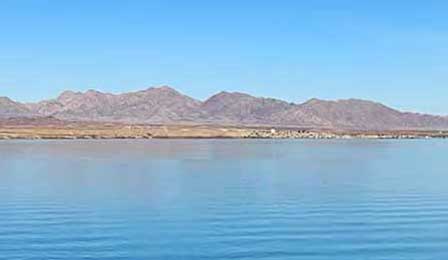
Lake Havasu is a 45-mile-long Colorado River reservoir along the Arizona-California border, created by Parker Dam and covering approximately 20,400 acres. Surrounded by rugged desert mountains, coves and sandy shoreline areas, the lake is one of western Arizona's premier destinations for boating, fishing, kayaking, swimming, beaches and waterfront camping. Lake Havasu City provides the main Arizona-side hub for marinas, boat launches and visitor services, while quieter stretches of shoreline extend south toward Parker Dam and north toward the lower Colorado River.
- Lake Havasu Quick Facts
- Boating & Water Recreation
- Fishing At Lake Havasu
- Beaches & Swimming
- Camping At Lake Havasu
- Wildlife & Nature Areas
- Hiking & Desert Recreation
- Lake Havasu City & London Bridge
- Best Time To Visit
- Boat Launches & Lake Access
- Getting To Lake Havasu
- Lake Havasu FAQ
Lake Havasu Arizona Quick Facts
- River: Colorado River
- Created by: Parker Dam
- Length: Approximately 45 miles
- Surface area: Approximately 20,400 acres
- Reservoir capacity: Approximately 646,200 acre-feet
- States: Arizona and California
- Primary Arizona community: Lake Havasu City
- Popular recreation: Boating, fishing, kayaking, swimming, beaches and camping
- Major sport fish: Largemouth bass, smallmouth bass, striped bass, redear sunfish and catfish
- Major wildlife areas: Havasu National Wildlife Refuge and Bill Williams River National Wildlife Refuge
Lake Havasu City & London Bridge
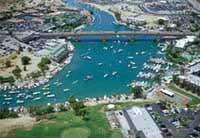 London Bridge at Lake Havasu
Lake Havasu City is the lake's principal Arizona-side community and the main center for lodging, dining, marinas, boat rentals and visitor services. Its most famous landmark is the historic London Bridge, which crosses Bridgewater Channel between the mainland and the Island.
For city history, London Bridge, English Village, attractions, desert recreation and travel planning, see the complete Lake Havasu City Arizona guide.
Why Visit Lake Havasu
Lake Havasu combines a large open-water boating environment with protected coves, beaches, desert scenery and productive warm-water fishing. Visitors can launch a powerboat, explore by kayak, fish rocky shoreline structure, swim at developed beaches, camp beside the water or travel north into the natural Colorado River scenery of Topock Gorge. Developed recreation near Lake Havasu City is balanced by quieter shoreline areas and nationally protected wildlife habitat at the northern and southern ends of the lake.
Boating & Water Recreation At Lake Havasu
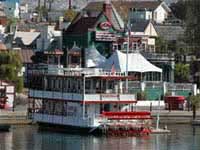 Credit: Lake Havasu CVB.
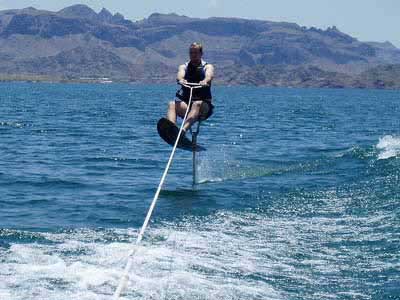
Boating is one of Lake Havasu's signature activities. The lake supports everything from pontoon boats and fishing boats to wakeboats, personal watercraft, sailboats, kayaks and paddleboards. Numerous public and private launch facilities make it possible to access different sections of the reservoir from Lake Havasu City, Arizona State Parks, resorts and other shoreline locations.
- Bridgewater Channel: Popular developed-waterfront boating area beside London Bridge
- Lake Havasu Main Basin: Broad open-water area suited to cruising, watersports and fishing
- Copper Canyon: Scenic boat-access canyon popular with recreational boaters
- Protected Coves: Useful for anchoring, swimming and quieter recreation when conditions allow
- Topock Gorge: Scenic natural Colorado River corridor north of the developed lake
- Kayaking & Paddleboarding: Numerous non-motorized launch areas provide access to shoreline and protected-water routes
Fishing At Lake Havasu
Lake Havasu is one of Arizona's major warm-water fishing lakes. Arizona Game and Fish manages the lake primarily for high-quality largemouth bass and smallmouth bass fishing, with redear sunfish as a featured species and striped bass providing another important sport-fishing opportunity. Bluegill, channel catfish and flathead catfish can also be locally abundant.
- Largemouth Bass: Target submerged vegetation, coves and shoreline structure
- Smallmouth Bass: Look around rocky points, shorelines and canyon structure
- Striped Bass: Often found around open-water baitfish schools and deeper structure
- Redear Sunfish: Lake Havasu is nationally known for exceptionally large redear sunfish
- Bluegill: Common panfish found throughout suitable shoreline habitat
- Channel Catfish: Available around deeper structure, coves and current-influenced areas
- Flathead Catfish: Another large catfish species available to Lake Havasu anglers
Fishing regulations can differ between Arizona and California waters, so anglers should verify current licensing and Colorado River regulations before fishing.
Beaches & Swimming At Lake Havasu
Lake Havasu offers both developed swimming beaches and remote shoreline coves. Lake Havasu State Park provides convenient beach access near Lake Havasu City, while Rotary Community Park and London Bridge Beach provide additional developed waterfront areas. Boaters can also reach numerous coves and boat-in beaches along the reservoir.
- Lake Havasu State Park: Developed beach, picnic areas, camping and boat ramps
- Rotary Community Park: Family-oriented waterfront recreation in Lake Havasu City
- London Bridge Beach: Beach and non-motorized launch access near the Island
- Boat-In Beaches: Numerous remote shoreline areas accessible primarily by water
- Protected Coves: Quieter options for swimming and anchoring away from busy open-water areas
Hiking & Desert Recreation Near Lake Havasu
Lake Havasu's desert setting adds hiking, mountain biking and off-road recreation to the lake experience. Easy shoreline routes provide water views, while more rugged desert trails explore washes, volcanic rock, slot-canyon terrain and mountain overlooks.
- Mohave Sunset Trail: Easy shoreline-and-desert trail inside Lake Havasu State Park
- SARA Park Trails: More rugged desert hiking south of Lake Havasu City
- Crack In The Mountain: Popular route through narrow desert terrain and rocky washes
- Desert Off-Road Routes: Extensive riding opportunities exist on public land around the Lake Havasu region
Summer temperatures can be extreme. Plan desert hiking for cooler seasons or very early morning conditions, carry ample water and avoid exposed trails during dangerous heat.
Wildlife & Nature Areas Around Lake Havasu
Lake Havasu lies between two important lower Colorado River wildlife areas. Havasu National Wildlife Refuge protects river, marsh and desert habitat north of Lake Havasu City, including the dramatic Topock Gorge. At the southern end of the lake, Bill Williams River National Wildlife Refuge protects one of the Southwest's remaining naturally regenerated cottonwood-willow river forests.
- Havasu National Wildlife Refuge: Fishing, kayaking, canoeing, wildlife viewing and Topock Gorge scenery
- Topock Gorge: Approximately 20 miles of natural lower Colorado River canyon habitat
- Bill Williams River National Wildlife Refuge: Wetlands, desert habitat, birding, fishing docks and nature trails
- Winter Waterfowl: Lake and refuge waters attract migrating and wintering birds
- Desert Bighorn Sheep: May be seen around rugged canyon and mountain habitat
Best Time To Visit Lake Havasu
Spring - March Through May
- Warm conditions are excellent for boating, fishing and waterfront recreation
- March can bring heavier spring-break and event crowds
- Desert hiking becomes progressively warmer later in the season
Summer - June Through August
- Peak season for swimming and water-based recreation
- Extreme daytime heat makes desert hiking hazardous
- Early mornings and evenings are more comfortable for activities away from the water
Fall - September Through November
- Excellent combination of warm water and moderating air temperatures
- Good season for fishing, boating and outdoor recreation
- Crowds generally become lighter than peak spring and holiday weekends
Winter - December Through February
- Mild desert weather favors hiking, camping and sightseeing
- Cooler water reduces swimming activity
- Good season for birding and exploring nearby wildlife refuges
Spring Break at Lake Havasu
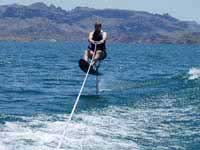
Lake Havasu is considered one of the Southwest’s best-known spring break destinations. Each year, college students gather around popular boating areas such as Copper Canyon, creating a lively party atmosphere. Families with young children may prefer visiting outside peak spring break weeks when the lake is generally quieter and more relaxed.
Boat Launches & Lake Access
Lake Havasu has numerous motorized and non-motorized launch locations serving different parts of the reservoir. Availability, fees and operating hours can change, so boaters should verify current conditions before towing a vessel to a particular ramp.
- Lake Havasu State Park: Major Arizona-side motorized boat-launch facility
- Lake Havasu Marina: Marina, launch access, fuel and boat services on the Island
- Site Six: Municipal launch facility on the Island
- Havasu Riviera Marina: Multi-lane boat ramp south of central Lake Havasu City
- Cattail Cove State Park: Motorized launch access farther south on Arizona Highway 95
- London Bridge Beach: Non-motorized launch access
- Rotary Community Park: Non-motorized launch access
- Bill Williams River NWR: Non-motorized launch access near the southern end of the lake
Camping At Lake Havasu
Camping options around Lake Havasu range from developed state-park campgrounds to primitive shoreline sites accessible only by boat. Lake Havasu State Park currently offers 54 developed campsites and 13 beachside cabins, along with beach access and boat ramps.
For a more remote experience, the Bureau of Land Management currently manages 73 boat-access campsites along approximately 20 miles of the Arizona shoreline of Lake Havasu. These sites are available on a first-come, first-served basis and provide varying levels of primitive shoreline amenities.
Facilities, fees and camping rules vary significantly by location, so check the managing agency before departure rather than assuming every shoreline site provides the same amenities.
Getting To Lake Havasu Arizona
The primary Arizona access to Lake Havasu is through Lake Havasu City on Arizona Highway 95. Interstate 40 reaches the region north of Lake Havasu City, while travelers approaching from Phoenix typically use Interstate 10 and Arizona Highway 95 through the Parker area.
Additional shoreline and boating access is available from California, but routes and facilities differ depending on whether your destination is Lake Havasu City, Havasu Landing, Parker Dam or another section of the reservoir. Use current navigation and verify the specific marina, campground or launch ramp before departure.
Official Lake Havasu Information
- Bureau Of Reclamation - Parker Dam & Lake Havasu
- Arizona Game & Fish Department
- Lake Havasu State Park
- Havasu National Wildlife Refuge
- Bill Williams River National Wildlife Refuge
- Current Lake Havasu Boating Information
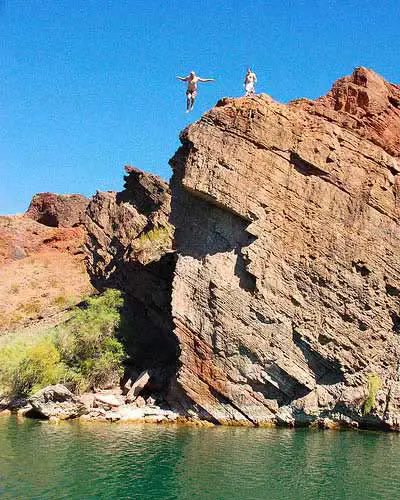
Copper Canyon at Lake Havasu
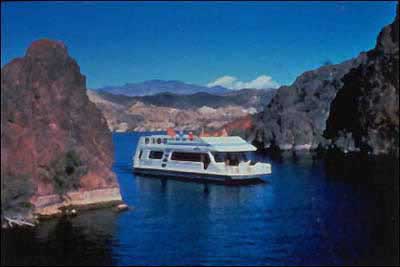
Copper Canyon © Lake Havasu CVB
Lodging & Accommodations
Choose from a wide selection of Hotels in Lake Havasu City AZ or consider Lake Havasu RV Parks, Vacation Rentals and area Campgrounds.
Lake Havasu Arizona FAQ
Where is Lake Havasu located?
Lake Havasu is a Colorado River reservoir along the Arizona-California border, with Lake Havasu City providing the primary developed visitor hub on the Arizona side.
How big is Lake Havasu?
Lake Havasu is approximately 45 miles long and covers about 20,400 acres, or roughly 32 square miles.
What created Lake Havasu?
Lake Havasu was created by Parker Dam on the Colorado River. The reservoir also serves as an important water-storage source for major aqueduct systems serving Arizona and California.
What is Lake Havasu best known for?
Lake Havasu is best known for boating, fishing, beaches, swimming, waterfront camping, desert scenery and its connection with Lake Havasu City and London Bridge.
Is Lake Havasu good for boating?
Yes. Lake Havasu has numerous marinas and launch ramps and supports powerboating, fishing boats, personal watercraft, kayaking, paddleboarding, sailing and other water recreation.
Can you swim in Lake Havasu?
Yes. Developed beaches, parks, coves and boat-in shoreline areas provide many swimming opportunities around the lake.
What fish are in Lake Havasu?
Major sport fish include largemouth bass, smallmouth bass, striped bass, redear sunfish, bluegill, channel catfish and flathead catfish.
Why is Lake Havasu famous for redear sunfish?
Lake Havasu has produced exceptionally large redear sunfish, including multiple Arizona record fish, making the lake especially well known among panfish anglers.
Can you camp at Lake Havasu?
Yes. Camping ranges from developed campsites and beachside cabins at Lake Havasu State Park to primitive boat-in shoreline campsites managed by public agencies.
Where can you launch a boat at Lake Havasu?
Launch options include Lake Havasu State Park, Lake Havasu Marina, Site Six, Havasu Riviera Marina, Cattail Cove State Park and several other public and private facilities.
What wildlife areas are near Lake Havasu?
Havasu National Wildlife Refuge protects habitat north of Lake Havasu City, including Topock Gorge, while Bill Williams River National Wildlife Refuge protects important river and wetland habitat near the southern end of the lake.
When is the best time to visit Lake Havasu?
Spring and fall offer an excellent combination of warm water and more comfortable air temperatures. Winter is especially good for hiking, camping and wildlife viewing, while summer is popular for swimming and boating despite extreme desert heat.
Is Lake Havasu the same as Lake Havasu City?
No. Lake Havasu is the Colorado River reservoir along the Arizona-California border. Lake Havasu City is the Arizona community located on the lake's eastern shore.
Phoenix Area Lakes
Apache Lake
Bartlett Lake
Canyon Lake
Lake Pleasant
Roosevelt Lake
Saguaro Lake
Tempe Town Lake
Urban Lakes
Payson Area Lakes
Bear Canyon Lake
Black Canyon Lake
Blue Ridge Reservoir
Chevelon Canyon Lake
Knoll Lake
Willow Springs Lake
Woods Canyon Lake
White Mountains Lakes
Becker Lake
Big Lake
Crescent Lake
Fool Hollow Lake
Hawley Lake
Luna Lake
Lyman Lake
Rainbow Lake
Show Low Lake
Woodland Lake