
Sedona Arizona Weather & Average Temperatures
Reviewed and updated by AZ Leisure Staff Writers on .
Average Temperatures, Climate & Best Time To Visit
Sedona, Arizona enjoys a four-season high-desert climate with abundant sunshine, warm summers, cool winters and comfortable spring and fall weather. At approximately 4,500 feet in elevation, Sedona is generally cooler than Phoenix but warmer than nearby Flagstaff, making weather conditions favorable for hiking, sightseeing, photography and other outdoor activities during much of the year.
The elevation of Sedona, AZ is about 4,500 feet. Traveling north through Oak Creek Canyon on Highway 89A, elevation increases substantially toward the canyon rim and Flagstaff. Because temperatures generally decrease with elevation, weather in the upper reaches of Oak Creek Canyon can be noticeably cooler than conditions in Sedona. The temperature chart below reflects average conditions in Sedona itself.
- Current Sedona Weather
- Average Temperatures
- Monthly Weather
- Best Time To Visit
- Weather Planning Tips
- Weather FAQ
Current Temperature & Weather In Sedona, Arizona
Understanding average temperatures throughout the year can help you plan the best time to visit Sedona based on your preferred activities.
Sedona Average Temperatures By Month
The Sedona weather chart shows average monthly high and low temperatures, along with average rainfall and approximate sunrise and sunset times. Daytime temperatures are generally comfortable during much of the year, while nighttime temperatures can fall below freezing during portions of winter. Temperatures are shown in degrees Fahrenheit.
Average High & Low Temperatures by Month
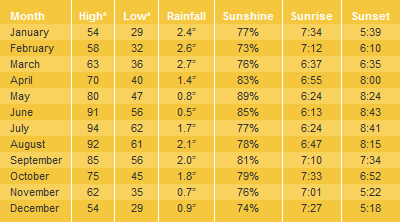
Monthly Weather In Sedona, Arizona
Weather in Sedona varies throughout the year, but each month offers unique conditions for visitors. Spring and fall provide the most comfortable temperatures, while summer brings warmer days and winter offers cooler air with occasional snow.
- January – February: Cool winter weather with daytime highs in the 50s and chilly nights near freezing.
- March – April: Warming temperatures and blooming wildflowers make this a great time for hiking.
- May: One of the best months to visit, with warm days and minimal rainfall.
- June: Hotter temperatures begin, but mornings and evenings remain pleasant.
- July – August: Monsoon season brings afternoon thunderstorms and dramatic skies.
- September – October: Ideal weather with warm days and cooler nights.
- November: Cooling temperatures and fewer crowds.
- December: Mild winter conditions with occasional snow.
Best Time To Visit Sedona, Arizona
Spring (March – May)
Spring is one of the most popular times to visit Sedona, with daytime temperatures warming into the 60s and 70s, and occasional highs into the low 80s by late May. Wildflowers begin to bloom across the red rock landscape, and conditions are excellent for hiking and exploring. Cool mornings and evenings make it comfortable for full-day outdoor adventures, while crowds begin to increase as visitors take advantage of near-perfect weather.
Summer (June – August)
Summer in Sedona is warm, with daytime highs typically reaching the upper 80s to mid-90s, though cooler than the extreme heat of Phoenix. Evenings cool down into the 50s and 60s, providing relief after sunset. July and August bring Arizona’s monsoon season, with brief afternoon thunderstorms that can create dramatic skies and cooler temperatures. Early mornings and evenings are the best times for outdoor activities during the summer months.
Fall (September – November)
Fall offers some of the best weather in Sedona, with temperatures ranging from the 70s to 80s in September, gradually cooling into the 60s and 70s by November. Crisp air, fewer crowds than spring, and changing foliage along Oak Creek make this a favorite season for hiking, photography, and scenic drives. Comfortable daytime temperatures and cool evenings create ideal conditions for exploring the outdoors.
Winter (December – February)
Winter in Sedona is mild compared to much of the country, with daytime highs typically in the 50s and 60s and cooler nights that can drop near freezing. Snow is occasional but usually light, adding a rare and beautiful contrast against the red rock formations. Winter is a quieter time to visit, offering peaceful trails, clear skies, and excellent conditions for sightseeing without large crowds.
Planning For Sedona Weather
Sedona's elevation and desert environment can produce noticeable temperature changes between daytime and evening, so layered clothing is useful during much of the year. Visitors planning hiking, sightseeing or other outdoor activities should check the current forecast before leaving and be prepared for stronger sun exposure, changing temperatures and seasonal weather conditions.
During summer, early mornings can provide more comfortable conditions for outdoor activities, while afternoon thunderstorms are possible during the monsoon season. Winter visitors should be prepared for colder mornings and occasional snow or icy conditions, particularly at higher elevations around Oak Creek Canyon.
Sedona Weather FAQ
What is the best month to visit Sedona?
April, May, September and October are generally among the best months to visit Sedona because temperatures are comfortable for hiking, sightseeing and other outdoor activities.
Does it snow in Sedona, Arizona?
Yes. Sedona occasionally receives snow during winter. Snowfall is often relatively brief at lower elevations, while colder conditions and more persistent snow may occur at higher elevations around Oak Creek Canyon.
How hot does Sedona get in summer?
Summer days in Sedona can become quite warm, particularly during June, July and August. Because Sedona sits at a higher elevation than Phoenix, temperatures are generally cooler, and mornings and evenings can be more comfortable for outdoor activities.
Is Sedona cooler than Phoenix?
Yes. Sedona is generally cooler than Phoenix because of its higher elevation of about 4,500 feet. The difference is especially noticeable during summer and overnight hours.
When is monsoon season in Sedona?
Arizona's summer monsoon typically affects Sedona during July and August, when afternoon thunderstorms can develop and produce lightning, brief heavy rain and rapidly changing conditions. Visitors participating in outdoor activities should monitor the forecast and changing skies.
What should I wear in Sedona?
Layered clothing is useful in Sedona because temperatures can change considerably between daytime and evening. Comfortable outdoor footwear, sun protection and clothing appropriate for the season are recommended, particularly for hiking and sightseeing.
Additional Sedona Area Information
Map & Directions Oak Creek Trail
Oak Creek Canyon Map & Directions
Oak Creek Canyon Photos By Koopsen
Oak Creek Canyon Vista Point
Sedona Aerial Photos By Koopsen
Sedona Winter Photos By Koopsen
Verde Canyon Railroad
The Wonder Of Sedona & Oak Creek
Sedona-Oak Creek Canyon
Sedona Arizona
Oak Creek Canyon
Arizona Route 66
Map & Directions
Weather & Climate
Sedona Pictures
Things To Do
Sedona Golf Courses
Grand Canyon Tours
West Fork Trail
Desert Canyon Drive
Sedona Museums
Events & Festivals
Horseback Riding
Area Attractions
Palatki Indian Ruins
Montezuma Castle
Montezuma Well
Grand Canyon South Rim
Sycamore Canyon
Slide Rock State Park
Grand Canyon Railway
Chapel of the Holy Cross
Oak Creek
Nearby Towns
Flagstaff Arizona
Jerome Arizona
Cornville Arizona
Williams Arizona
Cottonwood Arizona
Sedona Articles
Native American History
Vortex Visions
Mystical Vortexes
Enchantment Resort
Credit The Sinagua
Where To Stay
Cabins & Lodges
RV Parks & Campgrounds
Bed and Breakfast
Sedona Vacation Rentals
Sedona Timeshares