Arizona Horned Lizard (Horned Toad)
Updated by AZ Leisure Staff Writers on
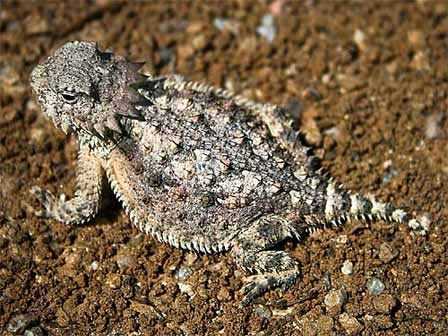 Regal Horned Lizard. Creative Commons
Horned lizards, commonly called horned toads or horny toads, are among Arizona's most distinctive reptiles. Their flattened bodies, pointed head horns, spiny scales and earth-tone colors provide excellent camouflage in desert, grassland and higher-elevation habitats. Arizona is home to several species of horned lizard, including the large regal horned lizard commonly seen in Sonoran Desert country. Most feed heavily on ants and other small invertebrates, and several species have remarkable defenses that include inflating their bodies and even squirting blood from around the eyes when threatened.
- Horned Lizard Quick Facts
- Arizona Horned Lizard Species
- How To Identify A Horned Lizard
- What Horned Lizards Eat
- How Horned Lizards Defend Themselves
- Habitat & Where To See Them
- Seasonal Activity & Reproduction
- Conservation & Wildlife Viewing
- Arizona Horned Lizard FAQ
Arizona Horned Lizard Quick Facts
- Animal type: Reptile
- Genus: Phrynosoma
- Common nicknames: Horned toad and horny toad
- Primary foods: Ants and other small insects and arthropods
- Typical habitats: Desert, sandy flats, grasslands, scrublands and some higher-elevation country
- Major defenses: Camouflage, body inflation, spines and blood-squirting in some species
- Danger to people: Harmless
- Best viewing period: Generally during warmer months when lizards are active
Horned Lizard Species In Arizona
Arizona supports several species of horned lizard across a remarkable range of habitats. The Arizona Game and Fish Department's current wildlife records include the regal horned lizard, desert horned lizard, Goode's horned lizard, flat-tailed horned lizard, round-tailed horned lizard, greater short-horned lizard and Texas horned lizard.
The regal horned lizard is especially characteristic of the Sonoran Desert around southern and central Arizona. Greater short-horned lizards occur in cooler and higher-elevation country, including portions of Grand Canyon, while specialized species such as the flat-tailed horned lizard occupy sandy desert habitats in southwestern Arizona.
How To Identify An Arizona Horned Lizard
Horned lizards have broad, flattened bodies that make them look very different from Arizona's slender whiptails and side-blotched lizards. Their heads carry pointed horns, while rows of spiny scales along the body create an armored appearance. Their short tails and mottled tan, gray, brown or reddish coloration help them disappear against desert soil and rocks.
Size and horn arrangement vary by species. Regal horned lizards are among the largest and are readily recognized by four prominent horns projecting from the rear of the head. Their camouflage can be so effective that a motionless horned lizard may be difficult to notice even at close range.
What Do Horned Lizards Eat?
Ants are a major food source for many Arizona horned lizards, particularly harvester ants. Depending on the species and habitat, they may also eat other small insects and arthropods. Horned lizards often remain still near feeding areas and capture prey with a quick movement of the tongue or jaws.
The close relationship between horned lizards and ants also makes healthy native ant populations important to their survival. Heavy pesticide use that eliminates harvester ants can reduce an important source of food.
How Horned Lizards Defend Themselves
Camouflage is a horned lizard's first line of defense. When remaining motionless does not work, a threatened lizard may flatten or inflate its body, making the sharp spines more difficult for a predator to swallow.
Some horned-lizard species have an even more remarkable defense: they can increase pressure in blood vessels around the eyes and eject a small stream of blood from the eyelid region. This behavior can startle predators, and the fluid appears especially unpleasant to canine predators such as coyotes and foxes.
Despite their dramatic appearance and unusual defenses, horned lizards are harmless to people.
Where To See Horned Lizards In Arizona
Where to look depends on the species. Regal horned lizards occur in Sonoran Desert uplands around saguaros and other desert vegetation, while round-tailed and Texas horned lizards occur farther east in grasslands and Chihuahuan Desert country. Flat-tailed and Goode's horned lizards are associated with specialized sandy desert habitats in southwestern Arizona.
Horned lizards are not restricted to hot low deserts. Greater short-horned lizards tolerate cooler environments and occur in higher country, including both the rims and interior of Grand Canyon.
Wildlife watchers have the best chance of finding horned lizards by walking slowly and watching the ground carefully. Their color and body pattern often match the surrounding soil so closely that movement may be the first clue that one is present.
Seasonal Activity & Reproduction
Horned lizards are ectothermic reptiles, so their activity is strongly influenced by temperature. They may bask during cooler portions of the day and seek shade or shelter when ground temperatures become excessive. In colder regions and during winter, horned lizards become inactive and shelter underground.
Reproduction differs by species. Several Arizona horned lizards lay eggs, while the greater short-horned lizard gives birth to live young. Greater short-horned lizards typically mate in spring and produce their young several months later.
Horned Lizard Conservation & Responsible Wildlife Viewing
Some Arizona horned-lizard populations face pressure from habitat loss and fragmentation, loss of native ant populations, road mortality and illegal collection. Arizona Game and Fish Department conservation programs give particular attention to species such as the flat-tailed, regal and Goode's horned lizards.
The best approach when encountering a horned lizard is to enjoy it where you found it. Avoid handling or disturbing the animal, do not move it to another location and never remove wildlife from parks or other protected areas. Arizona regulates the capture and possession of reptiles, and requirements can vary by species and location, so anyone considering any form of collection should first consult the current Arizona Game and Fish Department reptile regulations.
Arizona Horned Lizard Video
Official Arizona Reptile Information
Arizona Horned Lizard FAQ
Is a horned toad really a toad?
No. A horned toad is actually a lizard in the genus Phrynosoma. "Horned toad" and "horny toad" are common nicknames based on its broad, flattened body.
Are horned lizards dangerous to people?
No. Horned lizards are harmless reptiles. Their horns, spines, camouflage and other defenses are intended to protect them from predators.
What do Arizona horned lizards eat?
Many species feed heavily on ants, particularly harvester ants, along with other small insects and arthropods.
Can horned lizards really squirt blood from their eyes?
Yes. Some horned-lizard species can eject blood from the eyelid region as a defensive response. The behavior is especially effective against canine predators such as coyotes and foxes.
What horned lizards live in Arizona?
Arizona wildlife records include regal, desert, Goode's, flat-tailed, round-tailed, greater short-horned and Texas horned lizards.
Where can you find horned lizards in Arizona?
Depending on the species, horned lizards occur in Sonoran and Chihuahuan deserts, sandy flats, grasslands, scrublands and higher-elevation areas including portions of Grand Canyon.
Do Arizona horned lizards lay eggs?
Some species lay eggs, but not all. Greater short-horned lizards give birth to live young.
Do horned lizards hibernate?
Horned lizards become inactive during cold weather and shelter underground. The length of winter dormancy varies with species, elevation and local climate.
Why are horned lizards difficult to see?
Their mottled colors closely match desert soil, gravel and rocks. Remaining motionless makes their camouflage especially effective.
Can I take a horned lizard home?
Wild reptiles in Arizona are regulated by the Arizona Game and Fish Department, and collection rules vary by species and location. Wildlife may not be collected from National Park Service lands. For wildlife viewing, the best practice is to leave horned lizards where they are found.
Other Sources of Information
Arizona Animals