Arizona Pronghorn Antelope
Reviewed and updated by AZ Leisure Staff Writers on .
Pronghorn, often called pronghorn antelope, are among the most distinctive wildlife species in Arizona. Built for life in open country, these tan-and-white mammals are the fastest land animals in North America and can reach speeds approaching 55 to 60 miles per hour. Their exceptional eyesight, endurance and preference for broad grasslands make them well adapted to detecting and escaping danger across Arizona's open landscapes.
Despite the familiar name, pronghorn are not true antelope. They are the only surviving member of the family Antilocapridae and are native only to North America. Arizona's American pronghorn occur primarily across northern and central grasslands, while the smaller, federally endangered Sonoran pronghorn inhabits portions of the state's far southwestern desert.
- About Pronghorn
- Where Pronghorn Live In Arizona
- Where To See Pronghorn
- Speed & Eyesight
- Diet & Behavior
- Breeding & Fawns
- Sonoran Pronghorn
- Conservation
- Wildlife Viewing Tips
- FAQ
About Arizona Pronghorn
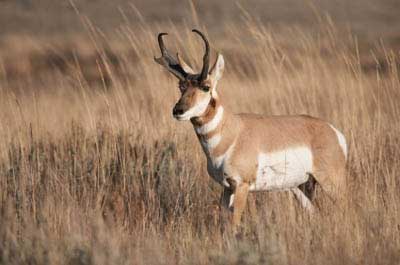
Pronghorn (Antilocapra americana) are hoofed mammals unique to North America. Although their body shape resembles an antelope or deer, they belong to their own family, Antilocapridae. Their closest living relatives are giraffes and okapis.
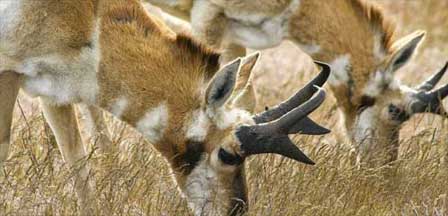
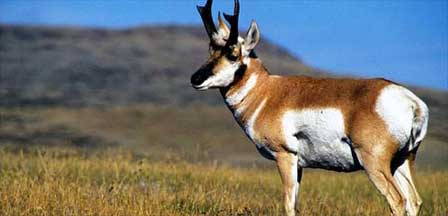
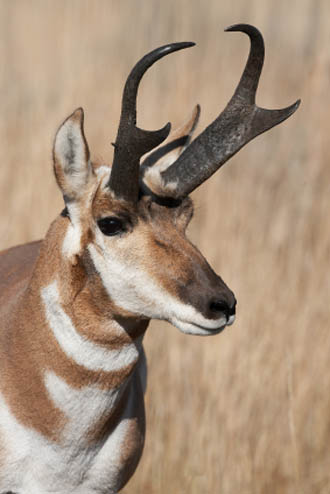
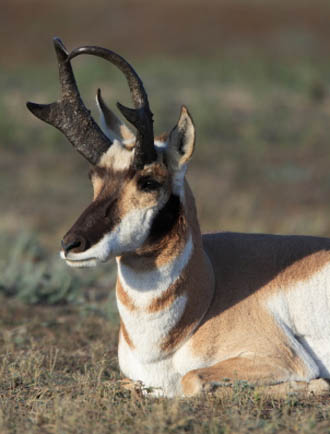
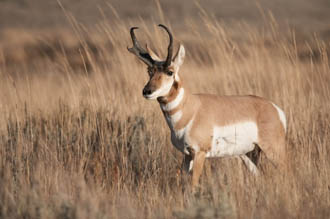
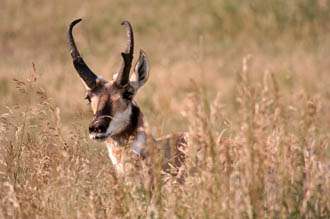
Pronghorn have tan to reddish-brown coats with sharply contrasting white markings on the belly, throat and rump. Males, called bucks, usually have larger black horns with the distinctive forward-pointing prong that gives the species its name. Females may also have much smaller horns. Unlike most horned mammals, pronghorn shed the outer horn sheaths and grow new ones each year.
How Fast Are Pronghorn?
Pronghorn are the fastest land mammals in North America. Depending on the individual and duration of the run, reported top speeds are approximately 55 to 60 miles per hour. More impressive is their endurance: pronghorn can maintain speeds of roughly 30 to 40 miles per hour over much longer distances than animals built primarily for short bursts of speed.
Their large eyes provide an extremely broad field of view, estimated at about 320 degrees, and allow them to detect movement several miles away across open terrain. Speed and exceptional vision work together as their primary defenses against danger.
Where Pronghorn Live In Arizona
American pronghorn are found primarily in Arizona's northern and central open country, where grasslands, high plains, broad valleys and shrublands provide visibility and room to run. Important pronghorn landscapes include northern Arizona grasslands, Big Chino Valley, areas around the Prescott region, Anderson Mesa south of Flagstaff and grasslands of the White Mountains.
Pronghorn generally favor open terrain rather than dense forest. Habitat connectivity is especially important because highways, development and fences can restrict movement between feeding, breeding and seasonal ranges.
Where To See Pronghorn In Arizona
The best opportunities to see American pronghorn are generally in broad, open grasslands of northern and central Arizona. Look across open country from public roads and designated wildlife-viewing areas rather than approaching animals or entering private property.
- Big Chino Valley: Important central-Arizona pronghorn habitat north of Prescott.
- Anderson Mesa: Grassland country south of Flagstaff with habitat for American pronghorn.
- White Mountains grasslands: High-elevation grasslands provide winter range and fawning habitat.
- Northern Arizona plains: Broad open landscapes provide some of the state's primary American pronghorn habitat.
- Central Arizona grasslands: Pronghorn populations occur in suitable open habitat throughout portions of central Arizona.
Pronghorn Diet & Behavior
Pronghorn are herbivores that browse a varied diet of forbs, shrubs and some grasses. Depending on season and habitat, foods can include sagebrush, rabbitbrush, flowering plants and other broad-leaved vegetation. Grasses are generally a smaller part of the diet than the older description of pronghorn as primarily grazing animals suggests.
Arizona Game and Fish lists typical pronghorn weights at approximately 75 to 110 pounds. Pronghorn generally form larger mixed herds during winter and reorganize into smaller female groups, bachelor groups and more solitary mature males during spring and summer.
When alarmed, the white hairs on the rump rise and create a conspicuous visual warning that can alert other pronghorn. Their hollow hair also provides insulation against changing temperatures.
Pronghorn Breeding & Fawns
Arizona pronghorn generally breed during August and September. During the breeding season, mature bucks compete for access to females and may defend groups of does from rival males.
Fawns are usually born during May and June after a long gestation period. Twins are common among mature females. Young fawns spend much of their first days hidden in vegetation while the mother feeds nearby, then begin traveling with females as they become stronger.
Fawns are particularly vulnerable to predators during their first weeks of life. As they grow, their rapidly developing running ability becomes an increasingly effective defense.
Endangered Sonoran Pronghorn In Arizona
Southwestern Arizona is also home to the Sonoran pronghorn (Antilocapra americana sonoriensis), an endangered desert-adapted subspecies of pronghorn. Sonoran pronghorn inhabit extremely arid portions of southwestern Arizona and Sonora, Mexico, and are generally smaller and more difficult to see than American pronghorn of northern Arizona.
The U.S. population suffered a catastrophic decline during the severe drought of 2002, falling to roughly two dozen animals. Intensive conservation efforts including captive breeding, habitat improvements, supplemental water and forage, translocations and coordinated management have since helped the population recover.
Current 2026 conservation information reports more than 450 Sonoran pronghorn in Arizona, with additional animals in Sonora, Mexico. The subspecies remains federally endangered and continues to receive intensive conservation management.
Pronghorn Conservation In Arizona
Pronghorn once numbered in the millions across western North America, but settlement, unregulated hunting and habitat changes caused populations to decline dramatically. Conservation and wildlife-management programs helped restore the species across much of its former range.
Arizona pronghorn still face challenges from habitat fragmentation, highway construction, development, drought, degraded grasslands and fences that restrict movement. Because pronghorn prefer to crawl under fences rather than jump them, wildlife-friendly fencing and connected open landscapes are especially important.
Arizona Game and Fish continues to monitor populations, improve grassland habitat, maintain movement corridors and use translocations where appropriate. American pronghorn are currently identified as a Tier 2 Species of Greatest Conservation Need in Arizona, while Sonoran pronghorn receive higher-priority conservation attention and federal endangered-species protection.
Tips For Seeing Pronghorn In Arizona
- Scan broad grasslands and open valleys, especially during early morning and late afternoon.
- Use binoculars or a telephoto lens rather than approaching a herd.
- Watch for the bright white rump patch, which is often visible at long distances.
- Remain on public roads and designated viewing areas and respect private-property boundaries.
- Never stop in an unsafe location or walk onto a highway shoulder to photograph wildlife.
- Keep dogs controlled because loose pets can disturb or chase wildlife.
- Avoid approaching females with young fawns during late spring and early summer.
- Never pursue pronghorn with a vehicle in an attempt to photograph or observe them.
Arizona Pronghorn Picture Gallery
More Pronghorn Information
Arizona Game & Fish Department - Pronghorn
Arizona Sonoran Pronghorn Conservation Information
Arizona Pronghorn FAQ
Are Pronghorn Really Antelope?
No. Although commonly called pronghorn antelope, pronghorn are not true antelope. They are the only surviving member of the North American family Antilocapridae.
How Fast Can A Pronghorn Run?
Pronghorn can reach approximately 55 to 60 miles per hour and are the fastest land mammals in North America. They can also maintain high speeds over considerably longer distances than many other fast-running mammals.
Where Do Pronghorn Live In Arizona?
American pronghorn are found primarily in open grasslands and plains of northern and central Arizona. Important habitat occurs in areas such as Big Chino Valley, northern Arizona grasslands, Anderson Mesa and the White Mountains.
What Do Pronghorn Eat?
Pronghorn eat primarily forbs, shrubs and other broad-leaved vegetation, along with some grasses. Their diet changes with season and habitat.
How Big Are Arizona Pronghorn?
Arizona Game and Fish lists typical pronghorn weights of approximately 75 to 110 pounds. Males are generally larger than females.
Do Female Pronghorn Have Horns?
Many female pronghorn have small horns, while adult males develop much larger horns with the distinctive forward-pointing prong.
Do Pronghorn Shed Their Horns?
Pronghorn retain the bony core of the horn but shed the outer keratin horn sheath, which is replaced each year.
When Are Pronghorn Fawns Born In Arizona?
Pronghorn generally breed during August and September, and fawns are typically born during May and June.
Why Do Pronghorn Have A White Rump?
When alarmed, pronghorn can raise the white hairs on their rump, producing a conspicuous flash that helps signal danger to other animals in the herd.
Why Don't Pronghorn Jump Fences?
Pronghorn are powerful runners but are generally reluctant to jump fences. They often attempt to crawl underneath, which is why wildlife-friendly fencing is important in pronghorn habitat.
Are Sonoran Pronghorn Endangered?
Yes. Sonoran pronghorn are a federally protected endangered subspecies found in southwestern Arizona and Sonora, Mexico. Intensive conservation programs have significantly increased their numbers since a severe population crash in 2002.
What Is The Best Way To See Pronghorn In Arizona?
Scan open grasslands from public roads and designated viewing areas during early morning or late afternoon. Use binoculars or a telephoto lens and avoid approaching or disturbing the animals.
Arizona Animals